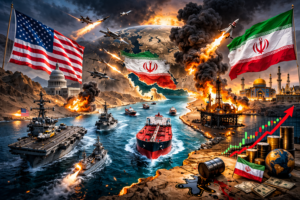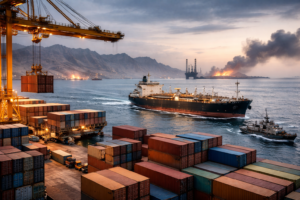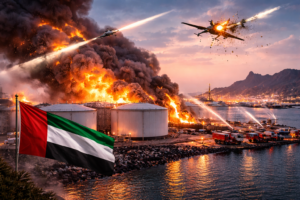
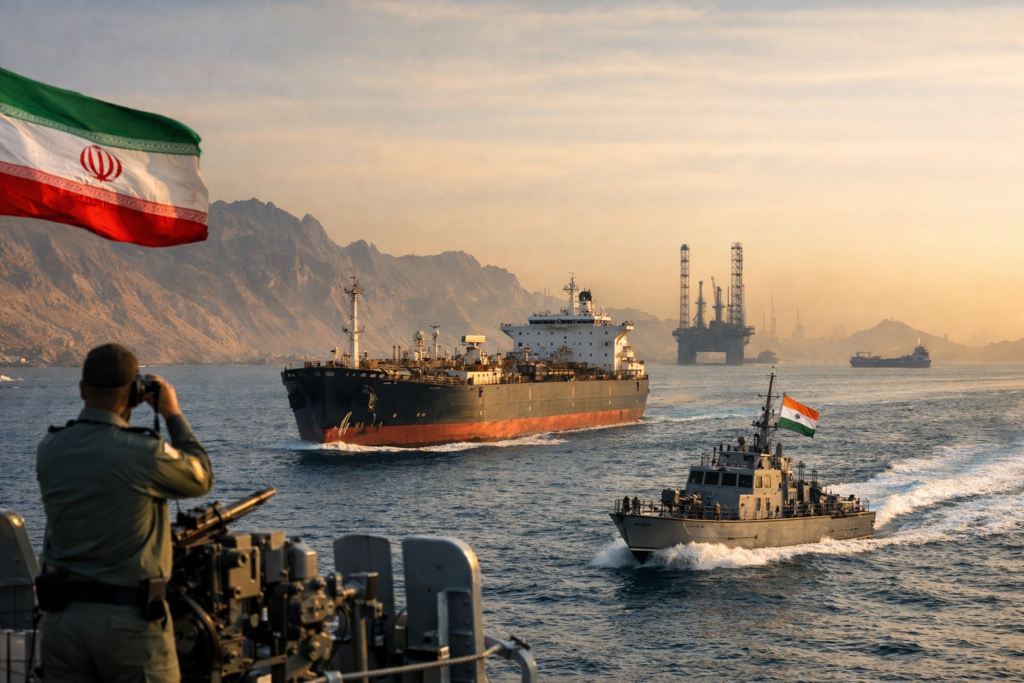
Amid escalating tensions in West Asia following the Iran-US-Israel conflict, the Strait of Hormuz — a crucial maritime route for global energy trade — has witnessed severe disruptions. While Tehran has restricted the movement of several vessels linked to Western countries, it has allowed certain India-bound ships to pass through the narrow waterway.
The Strait of Hormuz is considered one of the most critical shipping routes in the world, serving as a major transit point for oil and gas exports from the Gulf region to Asian markets. With the passage partially restricted since early March, concerns have risen about global energy supplies. However, India has managed to secure limited passage for its vessels after diplomatic engagement with Iranian authorities.
India’s External Affairs Minister S. Jaishankar clarified that there is no blanket agreement with Iran for Indian ships to pass through the strait. Instead, each case is reviewed individually through diplomatic channels.
Importance of the Strait of Hormuz for India
India relies heavily on energy imports from the Middle East. Nearly 60 percent of India’s LPG requirements are imported, and about 85–90 percent of these supplies originate from Gulf nations such as Saudi Arabia and the UAE, with shipments passing through the Strait of Hormuz. Any disruption to this route could significantly impact India’s domestic energy market.
Although tensions initially created concerns about possible shortages, the Indian government has assured citizens that the country currently has adequate LPG supplies.
Why Iran Is Allowing Indian Ships
Several factors appear to have influenced Tehran’s decision to permit selective passage for Indian vessels.
1. Public sympathy and diplomatic goodwill
Iranian officials have acknowledged expressions of sympathy from India regarding Iranian casualties during US strikes. According to representatives linked to Iran’s leadership in India, these gestures were viewed positively in Tehran, strengthening goodwill between the two nations.
2. Long-standing historical ties
India and Iran share centuries-old cultural and diplomatic relations. Iranian officials have often highlighted these historical connections, which have helped maintain friendly engagement even during periods of geopolitical tension.
3. Strategic and economic cooperation
Iran values India as an important regional partner. India has historically been a major buyer of Iranian oil and is involved in infrastructure projects such as the Chabahar Port, which aims to enhance connectivity between India, Iran, and Central Asia. Allowing Indian ships helps preserve these strategic and economic ties.
4. Active diplomatic engagement
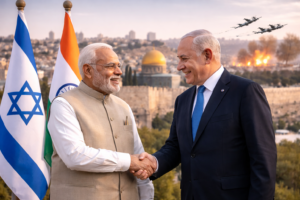
High-level diplomatic contacts have played a key role in securing passage for Indian vessels. Conversations between Indian and Iranian leaders — including discussions between External Affairs Minister Jaishankar and Iranian officials, as well as communication between Prime Minister Narendra Modi and Iran’s leadership — have helped ease tensions on a case-by-case basis.
5. India’s neutral stance in the conflict
India has largely maintained a neutral position in the ongoing conflict, avoiding alignment with any side. This balanced approach has enabled Tehran to treat Indian vessels differently from ships associated with the US, Israel, or European allies.
Controlled escalation strategy
Iranian authorities have also indicated that they do not intend to harm neutral countries unnecessarily. By allowing selective passage for vessels from nations like India, Tehran signals that its restrictions are primarily targeted at countries directly involved in the conflict.
As tensions in the region continue, the Strait of Hormuz remains a key strategic chokepoint for global energy trade. For India, diplomatic engagement and strategic neutrality appear to be helping ensure that critical energy supplies continue to reach the country despite the volatile situation.
Originally published on 24×7-news.com.