
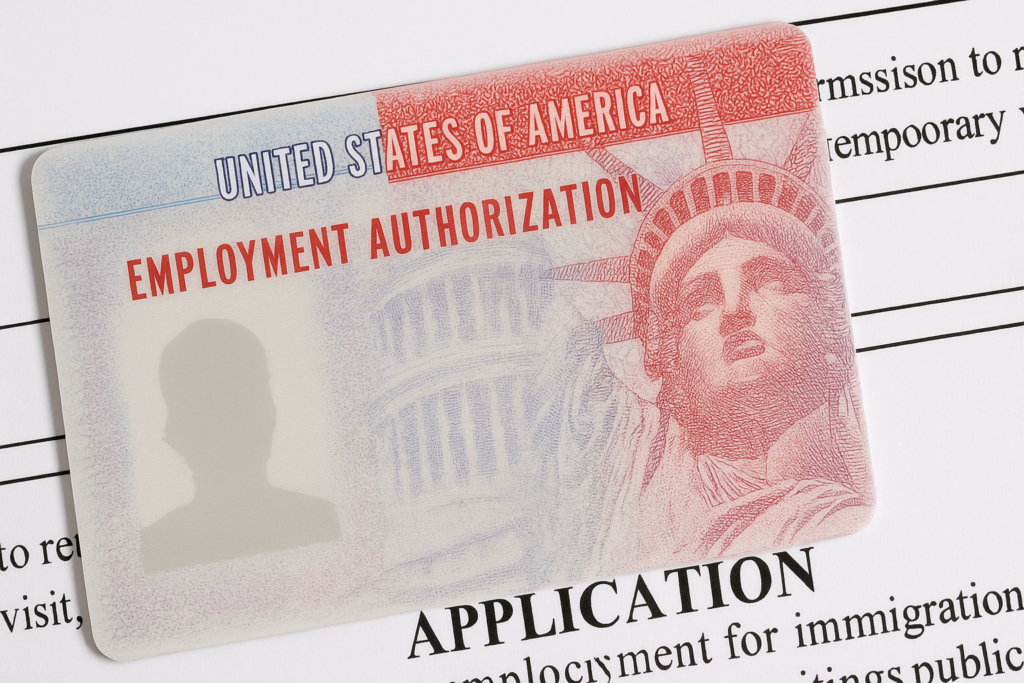
In a major policy tightening, the Trump administration has reduced the validity of work permits issued to refugees, asylees, and several categories of immigrants — including thousands of green card applicants — from five years to just 18 months. The move has triggered widespread concern among immigrant communities, especially Indian nationals stuck in the long employment-based green card backlog.
Under the revised USCIS policy, Employment Authorization Documents (EADs) will now need to be renewed more frequently. USCIS claims the decision is part of a broader effort to increase security vetting and prevent individuals with fraudulent or dangerous intentions from remaining in the country.
USCIS Director Joseph Edlow said the change was necessary in light of recent security incidents.
He stated that shorter validity periods allow for more frequent background checks, reducing risks posed by individuals holding long-term work permits without updated scrutiny.
US Establishes New Anti-Fraud and Security Unit
Alongside this policy shift, USCIS also announced the creation of a specialized security unit in Atlanta. The team will focus on identifying:
- Terror threats
- Criminal aliens
- Applicants involved in fraud
- Foreign nationals considered public safety risks
The new unit will work closely with law enforcement to tighten immigration controls.
Severe Impact on Indians in Green Card Backlog
Immigration experts warn that the reduction in EAD validity will disproportionately affect Indian applicants waiting years — even decades — for green cards. Many rely on EADs to continue working while their status adjustment applications remain pending.
Attorney Kripa Upadhyay noted that the groups most affected include:
- EB-5 Investors with pending I-526 applications
- Parents and spouses of US citizens seeking adjustment of status
- Employees with approved I-140 petitions waiting for visa availability
She warned that the new policy could push many into crisis.
“People will need to file renewals months earlier. Delays can leave individuals without valid work authorization, which instantly jeopardizes their employment status,” she said.
The complexity deepens as applicants can file renewals only 180 days before their current EAD expires — but USCIS processing now often takes longer, raising the risk of gaps in work authorization.
US Employers Also Brace for Disruption
The policy is expected to affect not just immigrants, but also American employers.
Companies relying on skilled foreign workers may face:
- Project delays
- Workforce gaps
- Increased compliance costs
- Operational setbacks if key staff lose work authorization temporarily
Immigration attorneys say businesses may need to update HR protocols to handle the new renewal timelines and legal risks.
As uncertainty grows, advocacy groups have begun urging USCIS to reconsider the policy or expand automatic extensions to prevent mass job disruptions.
Originally published on 24×7-news.com.