Trump Administration Tightens H-1B Visa Screening After Massive Fee Hike; New Rejection Rules Announced
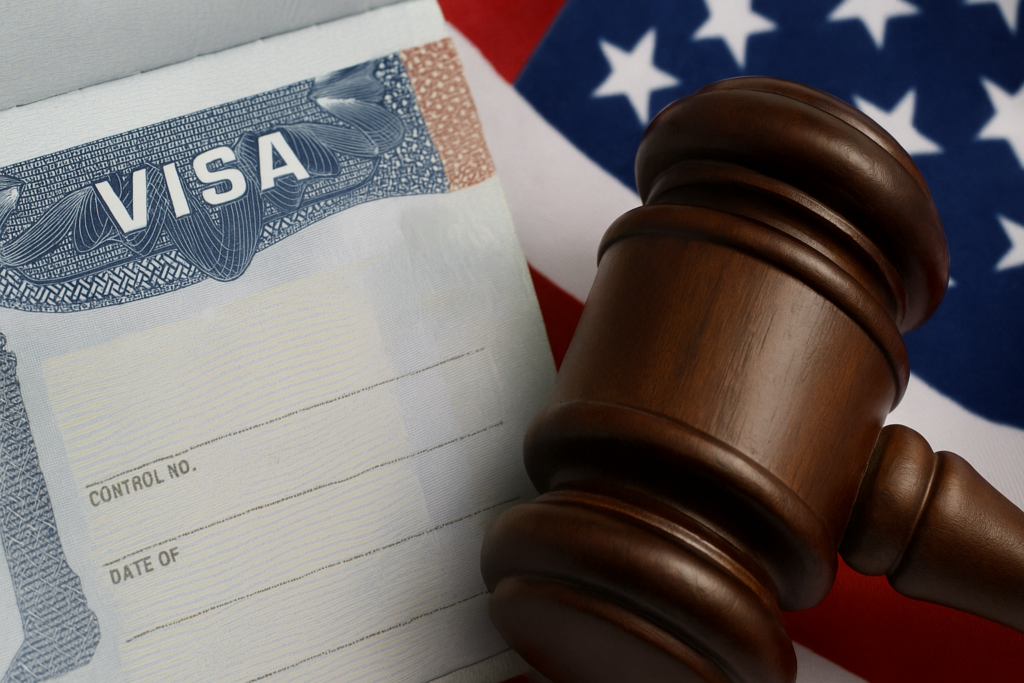
The Donald Trump administration has introduced stricter vetting rules for H-1B visa applicants, just months after increasing the application fee for the highly sought-after work visa to $100,000. The new measures are outlined in an internal State Department memo that significantly broadens the grounds for rejecting applicants.
New Screening Rules Target “Censorship-Linked” Roles
According to Reuters, the memo—sent to all U.S. embassies on December 2—directs consular officers to review the resumes, LinkedIn profiles, and employment history of every H-1B applicant and accompanying family members.
Applicants may be denied a visa if they have worked in roles involving:
- Content moderation
- Fact-checking
- Misinformation/disinformation review
- Online safety
- Platform compliance
- Any role the U.S. government interprets as restricting “free speech”
The memo states that if officers find evidence an applicant was “responsible for or complicit in censorship of protected expression in the United States,” they must rule the applicant ineligible under a section of the U.S. Immigration and Nationality Act.
H-1B Applicants Face “Heightened Scrutiny”
While the rule applies to all U.S. visa categories, the State Department orders special scrutiny for H-1B applicants, noting they commonly work in:
- Tech companies
- Social media platforms
- Financial services firms with online moderation structures
The memo urges visa officers to “thoroughly explore employment histories” to ensure applicants have not participated in censoring Americans’ speech. The policy applies to new, renewal, and repeat applicants.
Free Speech as a Foreign Policy Priority
The Trump administration has made “protecting American free speech” a major foreign policy theme. It has:
- Criticised European governments for regulating right-wing content
- Warned foreign officials about “censoring American voices”
- Ordered stringent social-media checks even for student visa applicants
In May, Secretary of State Marco Rubio even threatened visa bans for officials or employees—globally—who restrict speech by Americans online.
Impact on India and Tech Sector
The new rules come at a time when:
- U.S. tech companies depend heavily on skilled workers from India and China
- Many tech CEOs publicly supported Trump during the last election
- The H-1B fee hike has already raised concerns in the IT industry
With the additional screening layer, visa approval uncertainty is likely to increase sharply for applicants working in digital, tech, social media, fintech, and data-monitoring roles.
Originally published on 24×7-news.com.