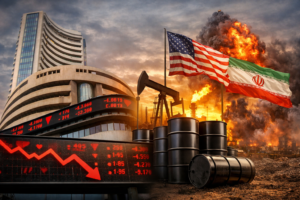
Crude oil prices may have retreated from recent highs following a temporary easing of tensions between the United States and Iran, but the broader economic impact of the recent shock is far from over.
The surge in oil prices was not merely a reaction to geopolitical headlines—it exposed vulnerabilities in the global energy supply chain that are already rippling through economies worldwide.
Strait of Hormuz Disruption Sends Shockwaves
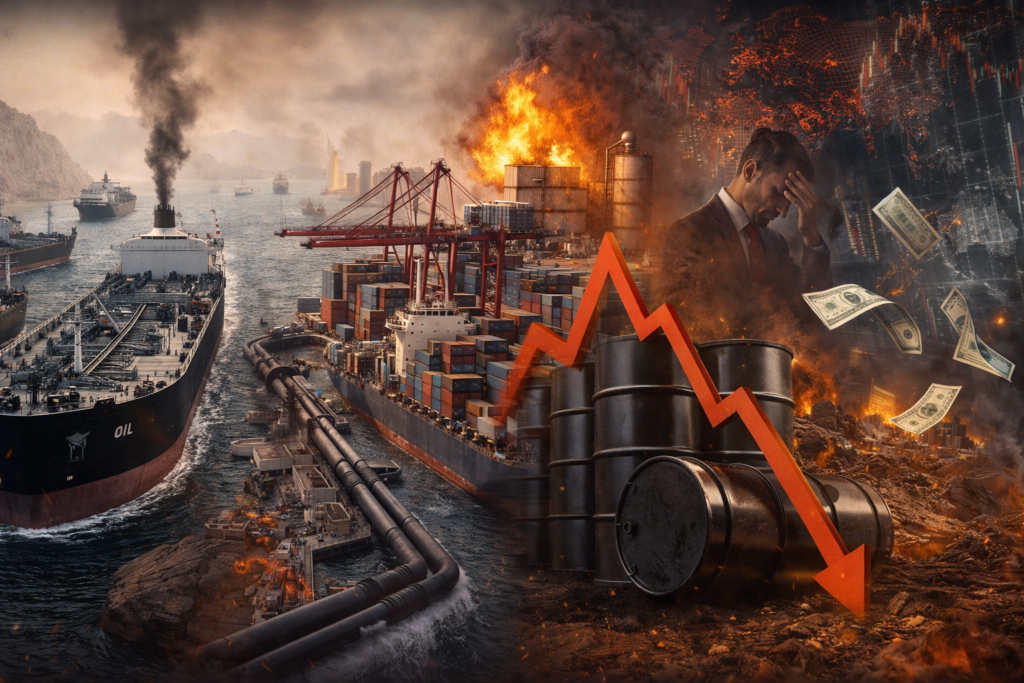
At the height of tensions, tanker traffic through the Strait of Hormuz slowed significantly, with several vessels delaying or rerouting journeys due to security risks.
This narrow waterway handles nearly 20% of the world’s oil supply, making even temporary disruptions highly consequential.
Beyond shipping delays, the crisis impacted insurance costs, port operations, and export schedules across the Gulf, tightening effective supply despite no major loss in production capacity.
Supply Chain Breakdown Beyond Production
The disruption extended across the entire oil value chain—from pipelines and storage facilities to export terminals.
Delays at ports created congestion, while reduced shipping activity caused storage bottlenecks and interrupted pipeline flows. These disruptions highlight a key reality: oil supply depends not just on production, but on seamless coordination across logistics and infrastructure.
Even minor interruptions can cascade into significant supply constraints in global markets.
Recovery Likely to Be Gradual
According to Justin Khoo, the scale of disruption remains unprecedented and recovery will take time.
Thousands of vessels, including hundreds of loaded tankers, have been delayed or rerouted. Clearing this backlog alone could take weeks, even under stable conditions.
Additionally, elevated war-risk insurance premiums and the need for safety inspections at disrupted facilities mean that a full return to normal supply levels could take several weeks or even months.
Economic Impact Already Visible
The effects of the oil shock are already feeding into global economies. The International Monetary Fund has warned that energy supply disruptions are likely to push inflation higher and slow economic growth.
Research indicates that even a 10% rise in oil prices can significantly increase global inflation and reduce output, demonstrating the sensitivity of the global economy to energy shocks.
Industries across Europe and Asia are already facing rising costs, with some manufacturers cutting production due to expensive fuel and inputs.
Why Oil Shocks Hit Hard
Unlike most commodities, oil influences nearly every sector—from transportation and manufacturing to agriculture and power generation.
When supply tightens, costs rise across the board. Businesses pass these costs to consumers, fueling inflation. In response, central banks may maintain tighter monetary policies, which can further slow economic growth.
India’s Position: Stable for Now, But Vulnerable
India has managed to cushion the immediate impact through diversified sourcing and policy measures. However, as a major importer, it remains exposed to prolonged price volatility.
Economist Manoranjan Sharma highlighted that sustained disruptions could increase India’s import bill, widen the current account deficit, weaken the rupee, and push inflation higher.
Outlook
While oil prices may have cooled in the short term, the global energy system has not yet stabilised. Supply chains remain strained, risks persist, and the economic consequences are already unfolding.
The path to recovery will depend not just on easing geopolitical tensions, but on restoring normal operations across the entire oil supply network—a process that will take time.
Originally published on 24×7-news.com.