The Israel–Iran conflict entered a more volatile phase after new attacks widened the battlefield beyond direct military targets, placing critical energy infrastructure and global shipping routes at risk.
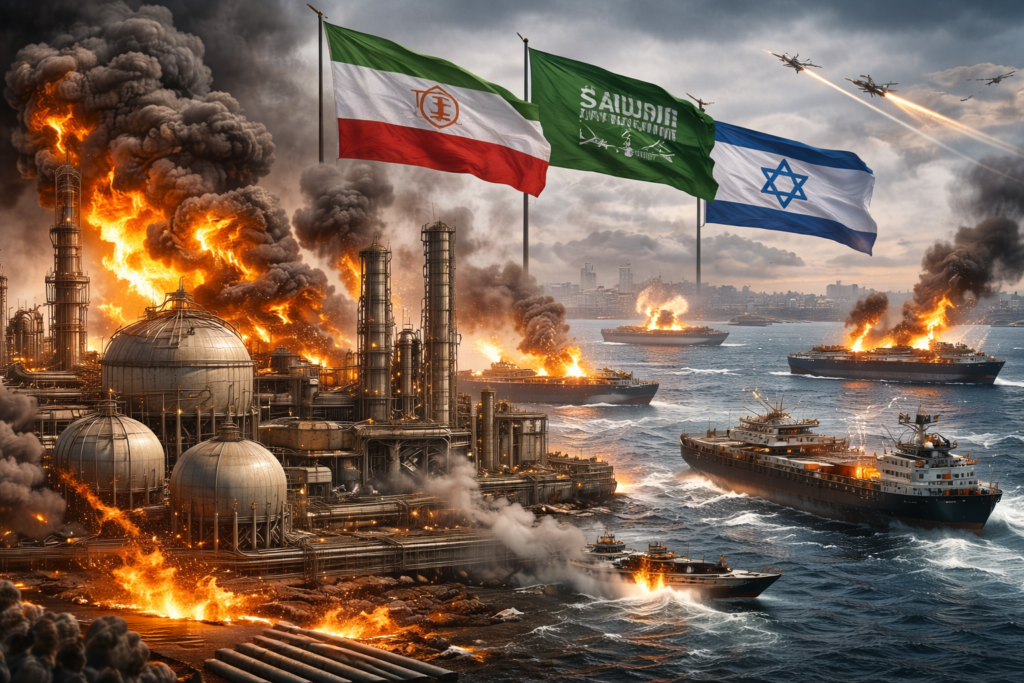
Saudi Arabia confirmed that its Ras Tanura oil refinery — one of the world’s most important crude processing hubs — was targeted by drones. The kingdom’s defence ministry said the incoming aircraft were intercepted and destroyed before causing major damage.
Strait of Hormuz in Focus
Alongside infrastructure strikes, tensions have intensified in the Strait of Hormuz — the narrow maritime passage that carries nearly 20% of global oil trade.
Several vessels have reportedly come under threat or attack in the strategic corridor, heightening concerns about global supply disruptions. The waterway is a critical chokepoint linking Gulf oil producers to international markets.
Analysts warn that instability in the strait could have far-reaching consequences for oil prices, shipping costs, and energy security worldwide.
Escalation Beyond Borders
Security experts say the targeting of Saudi energy assets signals a deliberate expansion of the conflict.
“The attack on Ras Tanura marks a significant escalation,” said Torbjorn Soltvedt, an analyst at risk intelligence firm Verisk Maplecroft. According to him, Gulf energy infrastructure is now directly in the crosshairs, increasing the likelihood of prolonged economic disruption.
He added that uncertainty may persist as regional actors weigh responses, with tankers, trade routes, and U.S. security partners potentially facing heightened risk.
Global Economic Ripple Effects
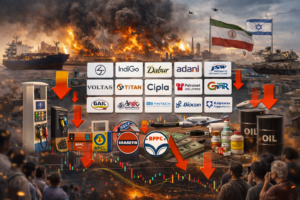
Energy markets are already reacting to the unfolding crisis. Any sustained disruption in Gulf production or maritime transport could push oil prices higher, intensify inflationary pressures, and complicate global supply chains.
With the Strait of Hormuz central to oil flows from Saudi Arabia, Kuwait, Qatar and other Gulf producers, even limited disruptions could reverberate through international markets.
A Conflict With Expanding Frontlines
The latest developments underscore how quickly the conflict is moving beyond direct military exchanges and into economic warfare territory.
As tensions mount, governments and energy markets remain on alert, watching whether further strikes on infrastructure or shipping lanes will deepen the crisis across the Middle East.
Originally published on 24×7-news.com.