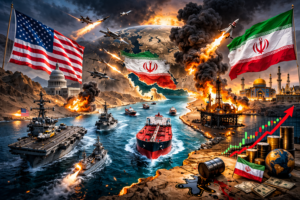
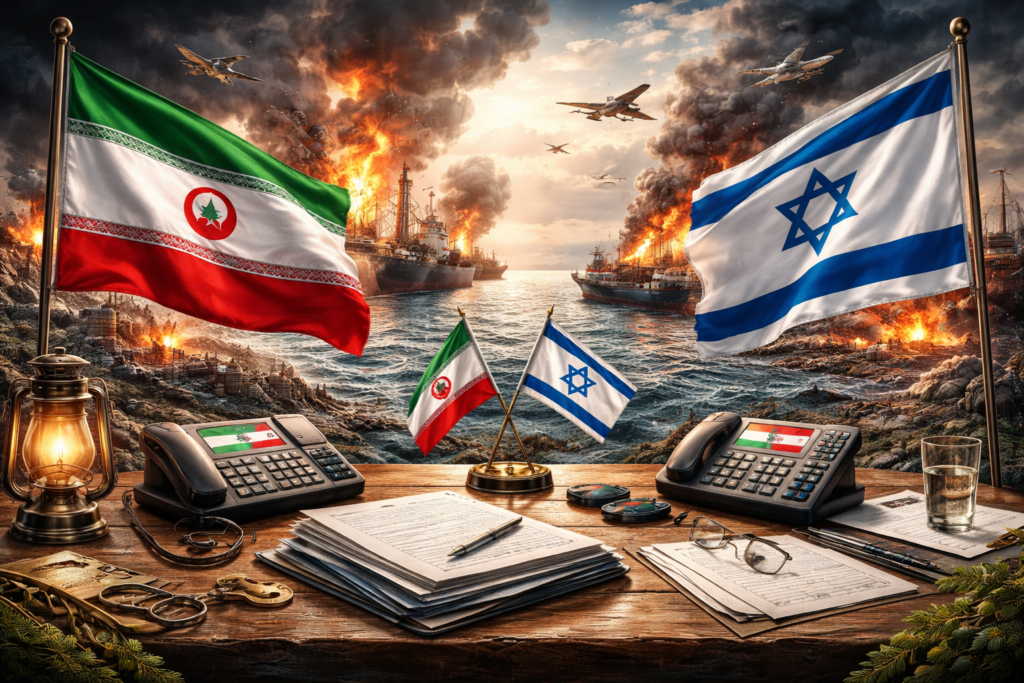
The ongoing Iran conflict continues to intensify on the battlefield, with both sides showing no immediate signs of backing down. However, beneath the surface of escalating military actions, emerging diplomatic signals suggest that the situation may be entering a more complex and potentially transitional phase.
On the ground, the conflict remains firmly escalatory. Israel is reportedly preparing for an extended campaign, with officials indicating that thousands of targets inside Iran remain and operations could continue for weeks. The objective, according to Israeli leadership, is to weaken Iran’s military and nuclear capabilities through sustained strikes.
Iran, on the other hand, has expanded the scope of the conflict beyond its borders. Recent attacks targeting Gulf nations, including the UAE, highlight Tehran’s ability and willingness to broaden the war’s geographic reach. Iranian officials have adopted a firm stance, asserting that the outcome will be determined on the battlefield and warning against any external intervention, particularly from the United States.
Tensions have also risen around critical energy infrastructure. Iran has warned that any attack on key assets such as Kharg Island could trigger retaliation against oil facilities across the Gulf region, raising concerns about global energy security.
A major focal point of the crisis is the Strait of Hormuz, a crucial global oil transit route that has been significantly disrupted. The resulting supply concerns have pushed oil prices higher and added to global market volatility. Efforts by the United States to build an international coalition to secure the passage have met with limited success, as several European and Asian allies have declined direct involvement, signalling reluctance to enter a prolonged conflict.
While Gulf countries have begun to adopt a tougher tone toward Iran following attacks on their infrastructure, they remain cautious about direct military participation. Instead, they appear to prefer that the United States take the lead in addressing the threat, without formally committing their own forces.
In Washington, messaging has been mixed. US President Donald Trump has suggested that Iran may be open to negotiations but indicated that current terms are insufficient. At the same time, he has expressed optimism that the conflict could conclude relatively quickly, even as military actions continue to escalate.
Adding to the uncertainty are reports that the US has so far avoided targeting Iran’s key oil facilities, a move that may reflect a calculated effort to prevent further escalation. However, this restraint may be temporary, leaving open the possibility of a significant shift if strategic assets are targeted.
Amid the public rhetoric, reports of quiet diplomatic engagement have begun to surface. A communication channel between US envoy Steve Witkoff and Iranian Foreign Minister Abbas Araghchi is believed to have been reactivated, marking a potential opening for dialogue. While US officials acknowledge such contact, Iranian authorities have publicly denied it, suggesting a gap between public messaging and private diplomacy.
The lack of clarity over who holds decision-making authority within Iran further complicates negotiations. Questions remain about whether current interlocutors can commit to binding agreements, especially amid leadership changes following recent developments in Tehran.
Despite these challenges, both sides appear to be leaving the door open for talks, even as they continue to question each other’s intentions. Reports indicate that Iran is seeking strong guarantees, including long-term security assurances and possible reparations, while the US is exploring options that could reintegrate Iran into global economic systems.
For now, the war shows no immediate signs of de-escalation. The risk of further escalation remains high, particularly if key oil infrastructure becomes a target or if additional regional players are drawn into the conflict. Yet, the presence of backchannel communication, combined with cautious global responses and nuanced signals from Washington, suggests that the dynamics of the conflict may be slowly evolving.
While the battlefield remains active, the early outlines of a possible diplomatic shift may be beginning to take shape.
Originally published on 24×7-news.com.