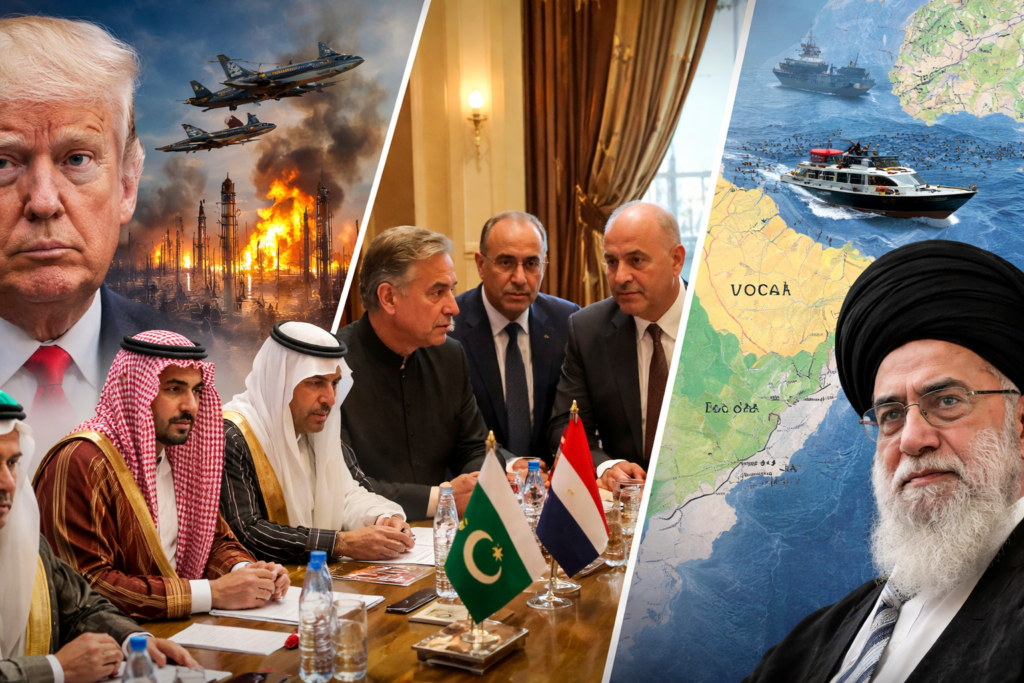
Amid rising tensions in the Iran conflict, a sudden shift in the United States’ stance has sparked global attention. US President Donald Trump’s unexpected decision to pause planned military strikes has been linked to a series of behind-the-scenes diplomatic efforts involving multiple countries.
Mixed Signals From Washington and Tehran
The situation initially appeared volatile, with conflicting messages emerging from both sides. President Trump announced a five-day halt on strikes targeting Iran’s energy infrastructure through a social media post, indicating a possible de-escalation.
However, Iranian officials denied any ongoing negotiations, stating that there were no “direct or indirect talks” with Washington. Trump further added to the ambiguity by claiming he was in contact with a “top figure” in Iran, without revealing specifics.
Covert Diplomacy Behind the Scenes
According to international reports, a crucial turning point came from secret diplomatic engagements in the Middle East. Foreign ministers from Egypt, Saudi Arabia, Turkey, and Pakistan reportedly held a closed-door meeting in Riyadh to explore ways to reduce tensions.
One of the major challenges during these talks was the absence of a reliable Iranian negotiator. This issue became more complicated following the killing of senior Iranian leader Ali Larijani, who had previously been seen as a potential bridge between Iran and the West.
Egyptian intelligence agencies reportedly stepped in to establish a backchannel with Iran’s Islamic Revolutionary Guard Corps (IRGC). Through this channel, a proposal was put forward for a temporary five-day ceasefire aimed at creating space for broader negotiations.
From Ultimatum to De-escalation
Just days before announcing the pause, Trump had issued a strong warning demanding Iran reopen the Strait of Hormuz within 48 hours, threatening strikes on critical infrastructure.
However, as details of the Riyadh discussions reached Washington, the US position softened significantly. The White House described the situation as “fluid,” urging caution against speculation while confirming that sensitive diplomatic efforts were underway.
Key Issues Still Unresolved
Despite the temporary pause, major disagreements continue to hinder progress:
- Iran’s demands: Guarantees against future attacks and compensation for damages
- US position: Dismantling of Iran’s nuclear programme, restrictions on missile capabilities, and an end to support for proxy groups
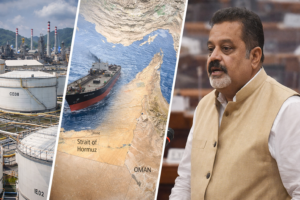
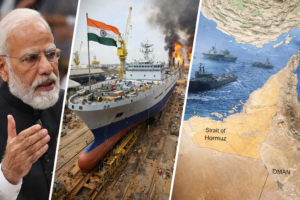
The status of the Strait of Hormuz remains another critical concern. This strategic waterway carries nearly 20% of the world’s oil supply, making it central to global energy security.
While some regional powers have suggested neutral oversight, Iran has proposed imposing transit fees — a move strongly opposed by Gulf nations. Trump has also floated the idea of joint control involving the US and Iranian leadership.
Possibility of Direct Talks
The diplomatic momentum has opened the door for potential face-to-face negotiations. Reports suggest that talks could take place in Pakistan or Turkey in the coming days.
Possible US representatives may include senior envoys and top officials, while Iran could be represented by Foreign Minister Abbas Araghchi, although Tehran remains cautious about formal engagement.
Outlook
While Trump’s decision signals a shift towards diplomacy, the path to a lasting resolution remains uncertain. The coming days will be crucial in determining whether backchannel discussions can evolve into formal negotiations and reduce tensions in the region.
Originally published on 24×7-news.com.