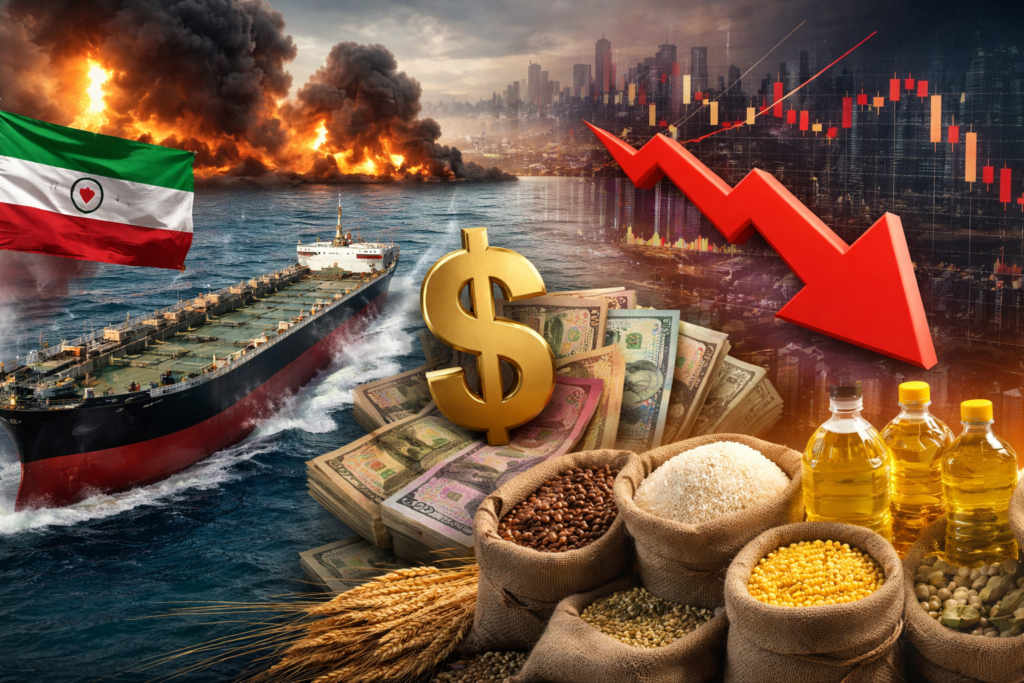
IMF Flags Rising Global Risks Amid Iran Conflict
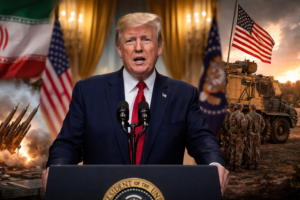
The ongoing tensions in West Asia have evolved from a regional conflict into a major global economic concern. The International Monetary Fund has issued a warning that while the impact of the war is worldwide, its consequences will be uneven—and particularly severe for vulnerable economies.
According to IMF economists, the global economy was only beginning to stabilise after recent disruptions such as the pandemic, inflation surges, and tighter financial conditions. The current crisis now threatens to derail that fragile recovery.
A ‘Global but Uneven’ Economic Shock
The IMF has described the situation as a “global but asymmetric shock.” While nearly all countries are affected, the burden is not shared equally.
- Advanced economies and commodity exporters may have stronger buffers
- Energy-importing nations face rising fuel costs
- Low-income countries are at the highest risk due to limited financial resilience
This imbalance is widening existing economic gaps, pushing already fragile economies closer to crisis.
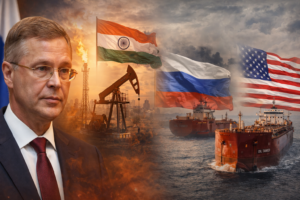
Strait of Hormuz Disruption Drives Oil Volatility
At the centre of the disruption lies the Strait of Hormuz, one of the world’s most critical energy corridors.
- Around 25–30% of global oil supply flows through this route
- Nearly 20% of global LNG trade depends on it
Disruptions in this region have caused sharp price spikes. Brent crude recently surged to nearly $119 per barrel before stabilising around $104–105, reflecting ongoing volatility.
In response, the International Energy Agency coordinated a massive release of strategic reserves among member nations to stabilise markets. However, the IMF warns that such measures may only provide temporary relief if the crisis continues.
From Fuel to Food: A Wider Economic Ripple
The crisis is no longer limited to energy—it is now affecting food systems globally.
Rising fuel costs are increasing transportation and production expenses, while disruptions in fertiliser supply are pushing agricultural costs higher. This combination threatens to:
- Reduce crop yields
- Sustain high food inflation
- Increase pressure on vulnerable populations
The IMF highlights that such trends could trigger broader socio-economic instability, especially in regions heavily dependent on food imports.
Low-Income Countries Face the Biggest Risk
The impact is most severe for low-income nations, where household spending is heavily concentrated on essential goods.
- Food accounts for around 36% of consumption in low-income countries
- Compared to 20% in emerging markets
- And just 9% in advanced economies
This means even small increases in food and fuel prices can have disproportionately large effects, raising risks of food insecurity, social unrest, and fiscal stress.
Inflation and Slow Growth: A Double Blow
The IMF warns that the global economy may face a familiar but difficult scenario—rising inflation alongside slowing growth.
Sustained increases in energy and food prices could:
- Push inflation higher across regions
- Weaken economic activity
- Force central banks to tighten policies further
Such actions could slow growth even more, creating a challenging cycle for policymakers worldwide.
Financial Markets Under Pressure
Beyond commodities, the crisis is also impacting financial systems. The IMF identifies three major channels of disruption:
- Rising energy prices
- Supply chain interruptions
- Tighter financial conditions
These factors are contributing to increased market volatility, restricted credit availability, and weaker economic outlooks globally.
Why the Duration of the War Matters
The long-term impact of the crisis will largely depend on how the conflict evolves.
- Short-term conflict: Limited economic damage
- Prolonged tensions: Sustained inflation and slower growth
- Escalation: Severe global economic disruption
The IMF suggests that a prolonged but contained conflict scenario is likely, which would keep prices elevated and growth subdued for an extended period.
What Lies Ahead
The IMF is expected to release a more detailed assessment in its upcoming World Economic Outlook during the Spring Meetings in Washington.
For now, its message is clear: even if the conflict remains geographically limited, its economic consequences are global—and far from equal.
Originally published on 24×7-news.com.