
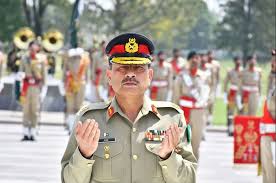
Pakistan has firmly rejected a warning issued by the United Nations human rights chief, Volker Turk, regarding the country’s recent constitutional amendment granting lifetime legal immunity to the military chief, Field Marshal Asim Munir, and other senior officials. The UN expressed concern that the changes could severely impact judicial independence and democratic governance.
Pakistan Calls UN Concerns ‘Baseless’
In a statement released on Sunday, the Pakistani Foreign Ministry dismissed the UN’s warning as “baseless” and insisted that Pakistan remains committed to upholding constitutional freedoms, human rights, and the rule of law.
The ministry added that the UN’s assessment failed to reflect the country’s “ground realities.”
What the Constitutional Amendment Does
Earlier this month, Pakistan’s parliament approved:
- Lifetime immunity from prosecution for the serving military chief and certain top officials
- The creation of a Federal Constitutional Court, reducing oversight powers of the Supreme Court
- Increased executive influence over judicial appointments and decision-making
These changes sparked immediate concern among rights groups and constitutional experts.
UN Warns of ‘Far-Reaching Consequences’
UN rights chief Volker Turk said the reforms collectively risk:
- Weakening judicial independence
- Increasing political and executive control over courts
- Eroding democratic checks and balances
He warned that undermining judicial autonomy could have deep and lasting consequences for Pakistan’s democracy.
Military’s Influence in Pakistan
Pakistan’s military—widely regarded as the country’s most powerful institution—has ruled the nation for nearly half its existence since independence in 1947 through multiple coups.
Although Pakistan is currently under civilian rule, the military continues to exert enormous political influence behind the scenes.
Ongoing Debate
While the government defends the constitutional changes as necessary reforms, critics argue the amendments:
- Violate democratic norms
- Protect powerful figures from accountability
- Diminish the authority of the Supreme Court
International observers and local activists fear the move marks a new era of military dominance in Pakistan’s political and legal systems.
Originally published on 24×7-news.com.